Plate 184 · Continental Europe
Russian Toy
俄罗斯玩具犬
“Peter the Great's kind of dog.”
- Origin
- Russia
- Country of origin
- Developed in Russia from English toy terriers. After the Second World War breeders in several cities, among them Moscow and Leningrad, restored it; the sources name no single town, so the marker is Russia's reference point.
- The point is a reference position in the country of origin.
- Era
- English toy terriers in Russia from the 18th century; standard 1966
- Today
- Companion
Under editorial review — sources listed below.
History
01 · Origin
Russia
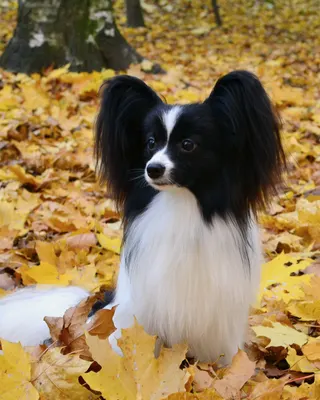
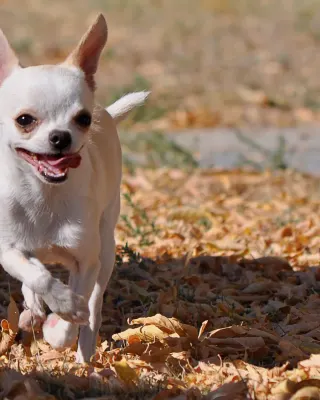
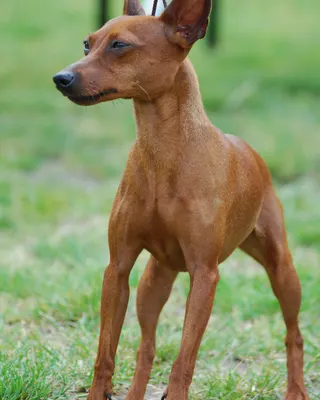
A tiny, leggy Russian toy dog with smooth or long, fringed coat.
02 · Historical role
What it was bred for
A companion for the Russian nobility, also a ratter and watchdog.
03 · Breed development
How it changed
A small black-and-tan terrier said to have belonged to Peter the Great is preserved in a St Petersburg museum. The breed nearly vanished twice: after 1917, as a dog of the aristocracy, and in the 1990s with the arrival of foreign breeds. The long-coated type appeared in 1958; a standard for both came in 1966.
04 · Today
Companion
A companion and agility dog.
Personality
- Loyal
- Charming
- Smart
- Vocal
General breed tendencies, not guarantees — individual dogs vary with genetics, training and environment. Ratings: the AKC’s trait scores as its breed page gives them (the AKC’s 1–5 guidance for owners, not a measurement). Other profiles here use editorial ratings, a different source, so compare across them with care.
- Exercise
- Moderately high energy, but a yard or long run is plenty.
- Grooming
- Long coats need brushing two or three times a week.
- Training
- Eager and trainable, but a terrier at heart.
Living with one
- Size
- Toy
- Lifespan
- 12–14 years
- Coat
- Smooth and short, or long with fringed ears; black and tan, chocolate and tan, blue and tan, or red
Field note
One of the smallest dog breeds in the world.
Recognition & today
- AKC
- Toy Group
- Also recognized by
- FCI (Group 9), Russian Kynological Federation
- Popular in
- No reliable data
AKC: Toy Group, recognized 2022.
AKC registrations: ranked 145 among breeds in 2025.
Sources2 references
- Russian Toy — breed information — American Kennel Club
https://www.akc.org/dog-breeds/russian-toy/
Registry · accessed 2026-10-14 · Registry status, group, size, life expectancy and registration rank; history as the AKC tells it. Ratings: the AKC's own 1–5 owner-guidance trait scores as the page gives them (energy level, trainability, barking level, openness to strangers, good with other dogs), not measurements.
- Russian Toy — Wikipedia
https://en.wikipedia.org/wiki/Russian_Toy
Encyclopedia · accessed 2026-10-14 · English toy terrier ancestry, Lizetta in the St Petersburg museum, near loss in the 1920s and 1990s, the long coat (1958), the 1966 standard, FCI listing (2006).
Text is written by World Breeds from the references above; it does not reproduce registry descriptions. Location note: Developed in Russia from English toy terriers. After the Second World War breeders in several cities, among them Moscow and Leningrad, restored it; the sources name no single town, so the marker is Russia's reference point.