Plate 049 · The Americas
Labrador Retriever
拉布拉多寻回犬
“From North Atlantic fishing boats to the world's sofas.”
- Origin
- Canada · United Kingdom
- Newfoundland, then developed in Britain
- Region of origin
- Ancestral water dogs worked in Newfoundland; the breed itself was refined by British sporting estates in the 19th century.
- The point marks the region the breed comes from, not an exact birthplace.
- Era
- 19th century (from earlier Newfoundland water dogs)
- Today
- Family companion · Guide dog · Detection dog · Gundog
Under editorial review — sources listed below.
Historical context · Today
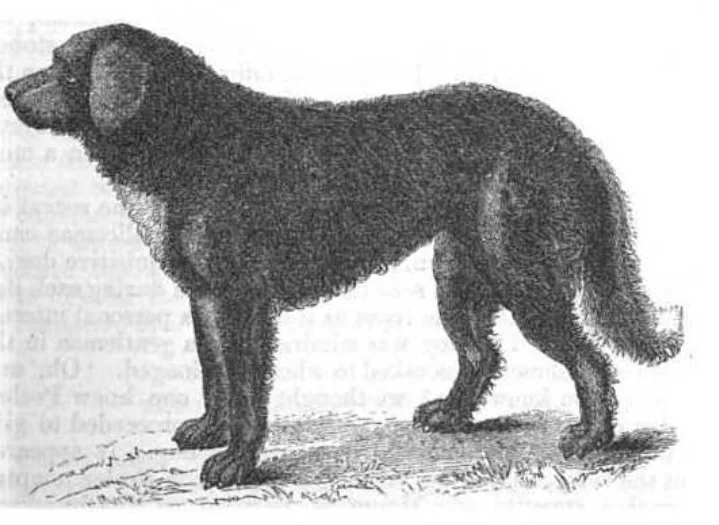 Context · 1847
'The Labrador Dog' in H. D. Richardson's 1847 dog book: a huge, long-coated dog, 28–30 inches tall. The name then meant this Newfoundland-type giant; today's Labrador descends from the smaller water dogs of Newfoundland.
This image depicts a related historical dog type, not necessarily the modern breed.
Hugh Donald Richardson · Public domain · Wikimedia Commons
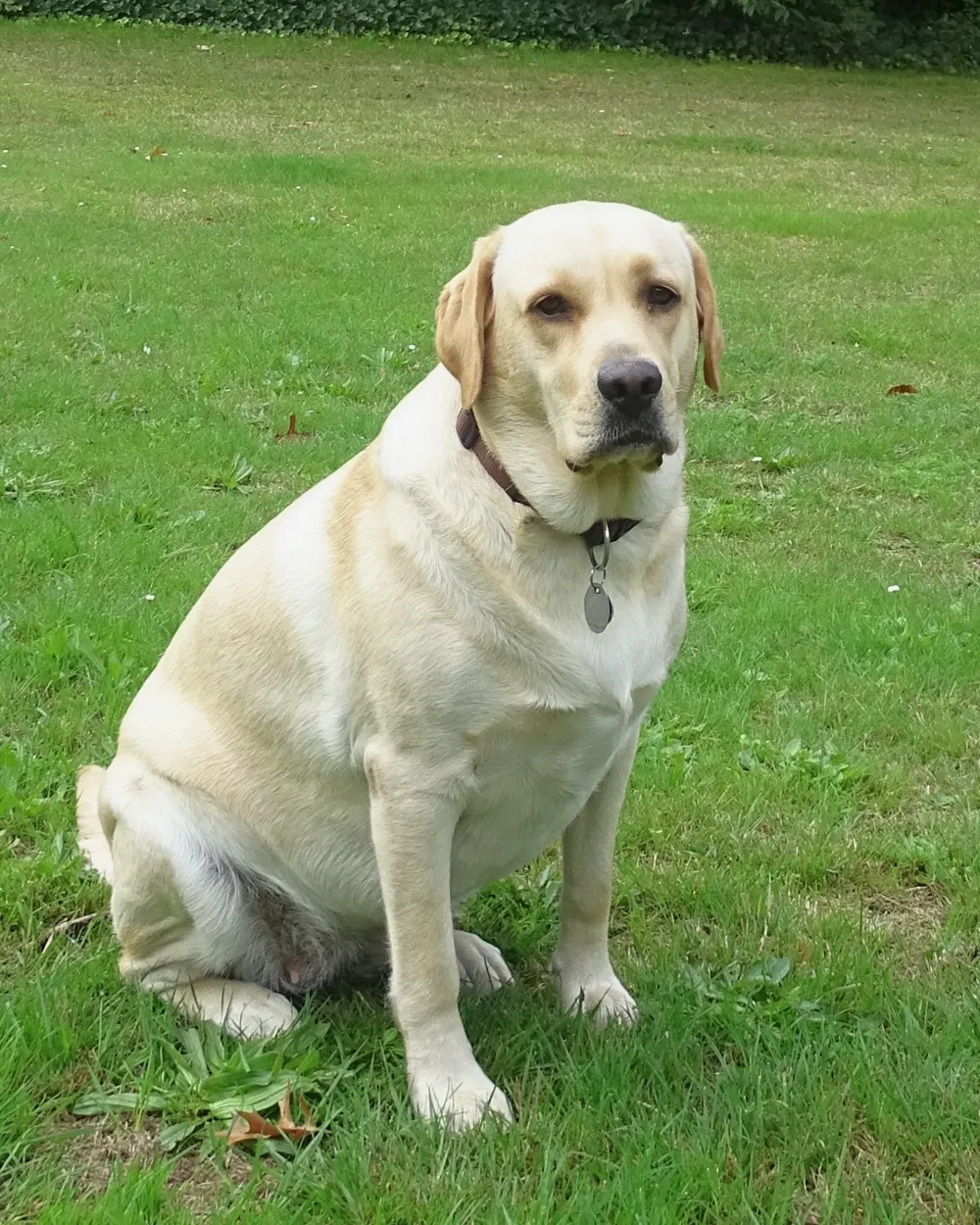 Now
NowHistory
01 · Origin
Newfoundland, then developed in Britain
Traces back to the 'St. John's water dog' used by fishermen in Newfoundland.
02 · Historical role
What it was bred for
Ancestral dogs helped fishermen haul nets and retrieve fish and lines from the cold North Atlantic.
03 · Breed development
How it changed
British aristocratic sportsmen imported these dogs in the 1800s and bred them as shooting retrievers; British breeders refined and standardized the breed in the latter half of the century.
04 · Today
Family companion · Guide dog · Detection dog · Gundog
A versatile family dog and one of the most common guide, detection and assistance breeds.
Personality
- Outgoing
- Even-tempered
- Trainable
- Gentle
General breed tendencies, not guarantees — individual dogs vary with genetics, training and environment. Ratings: this atlas’s editorial summary on a 1–5 scale, for rough comparison between breeds here — not a measurement or a standardised assessment.
- Size
- Large
- Lifespan
- 11–13 years
- Coat
- Short, dense, weather-resistant double coat
Field note
Despite the name, the breed's ancestors are linked to Newfoundland, not the Labrador region of mainland Canada.
Recognition & today
- AKC
- Sporting Group
- Also recognized by
- FCI, The Kennel Club (UK)
- Popular in
- United States, Australia
For decades one of the most registered breeds in the United States: the AKC's most popular breed for 31 years and second in 2023–2025. It was also second in Dogs Australia registrations in 2025.
Sources3 references
- Labrador Retriever — breed information — American Kennel Club
https://www.akc.org/dog-breeds/labrador-retriever/
Registry · accessed 2026-10-06 · Used for registry status, AKC group and breed standard reference only.
- Labrador Retriever (encyclopedia overview) — Wikipedia
https://en.wikipedia.org/wiki/Labrador_Retriever
Encyclopedia · accessed 2026-10-06 · Secondary overview; cross-check claims against primary breed-club sources.
- St. John's water dog (encyclopedia overview) — Wikipedia
https://en.wikipedia.org/wiki/St._John's_water_dog
Encyclopedia · accessed 2026-10-06 · Secondary overview; cross-check claims against primary breed-club sources.
Image credits
Hugh Donald Richardson · Public domain · Wikimedia Commons
Text is written by World Breeds from the references above; it does not reproduce registry descriptions. Location note: Ancestral water dogs worked in Newfoundland; the breed itself was refined by British sporting estates in the 19th century.