Plate 042 · The Americas
Havanese
哈瓦那犬
“Cuba's national dog, rebuilt from a handful of exiles.”
- Origin
- Cuba
- Region of origin
- The point marks the region the breed comes from, not an exact birthplace.
- Era
- Bichon-type dogs in Cuba from the colonial era; modern breed rebuilt from the 1970s
- Today
- Companion · Toy breed
Under editorial review — sources listed below.
History
01 · Origin
Cuba
A member of the bichon family that became the companion dog of Cuba's wealthy families.
02 · Historical role
What it was bred for
A lapdog and household companion in Cuban homes.
03 · Breed development
How it changed
Accounts differ on how many dogs left Cuba with refugees after the 1959 revolution. Breeders in the United States rebuilt the breed from a small number of exported dogs, and the AKC recognised it in 1996.
04 · Today
Companion · Toy breed
A cheerful, sociable companion well suited to family and city life.
Personality
- Cheerful
- Sociable
- Gentle
- Playful
- Smart
General breed tendencies, not guarantees — individual dogs vary with genetics, training and environment. Ratings: this atlas’s editorial summary on a 1–5 scale, for rough comparison between breeds here — not a measurement or a standardised assessment.
- Size
- Toy
- Lifespan
- 14–16 years
- Coat
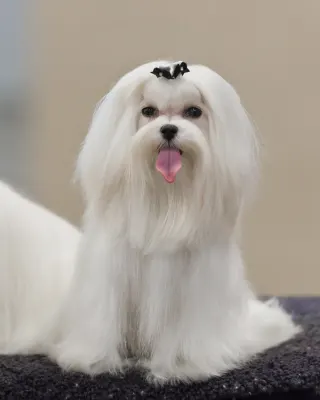
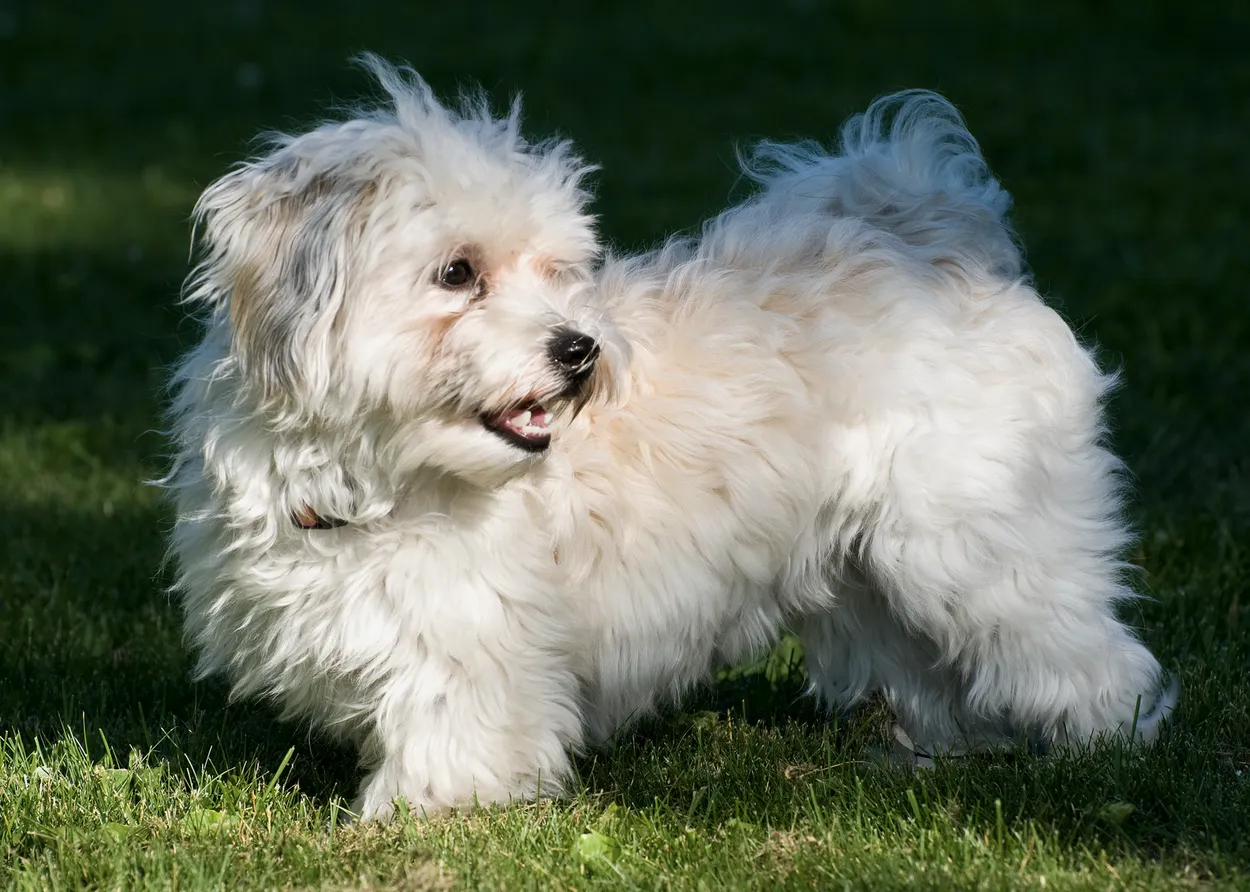
- Long, soft, silky, often wavy coat
Field note
The Havanese is the national dog of Cuba.
Recognition & today
- AKC
- Toy Group
- Also recognized by
- FCI
- Popular in
- United States
Increasingly popular with American city dwellers. AKC registrations: ranked 25 among breeds in 2025.
Sources2 references
- Havanese — breed information — American Kennel Club
https://www.akc.org/dog-breeds/havanese/
Registry · accessed 2026-10-07 · Registry status and AKC group; AKC recognition 1996 per AKC "Breeds by Year Recognized". Used as a registry reference only.
- Havanese dog (encyclopedia overview) — Wikipedia
https://en.wikipedia.org/wiki/Havanese_dog
Encyclopedia · accessed 2026-10-07 · Secondary overview; cross-check claims against primary breed-club sources.
Text is written by World Breeds from the references above; it does not reproduce registry descriptions.