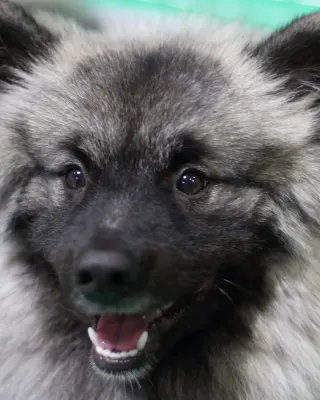
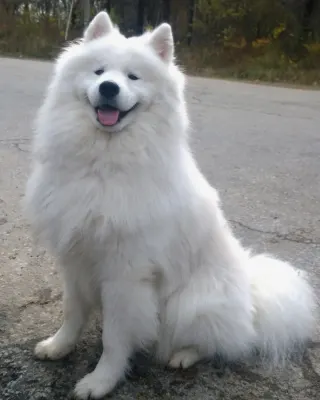
Plate 093 · Continental Europe
Norwegian Lundehund
挪威伦德猎犬
“A six-toed puffin hunter from the cliffs of Lofoten.”
- Origin
- Norway
- Værøy and the Lofoten coast, Nordland
- Region of origin
- The breed survived on the island of Værøy (Mostad) in Lofoten; the marker is the reference point of Nordland county, to which the islands belong.
- The point marks the region the breed comes from, not an exact birthplace.
- Era
- First written record 1591
- Today
- Companion · Heritage breed
Under editorial review — sources listed below.
History
01 · Origin
Værøy and the Lofoten coast, Nordland
A small, supple spitz from the Norwegian coast, bred to hunt puffins in cliff-side nesting burrows.
02 · Historical role
What it was bred for
Climbing cliffs and crawling into narrow crevices to bring out puffins, a winter food source for the islanders.
03 · Breed development
How it changed
A bailiff visiting Værøy in 1591 described small dogs used to pull puffins from their holes. Modern hunting methods and the depopulation of the coast reduced its numbers, and distemper left only a handful of dogs in the 1940s and again in 1963; careful breeding has since rebuilt the population.
04 · Today
Companion · Heritage breed
A rare companion breed, preserved by careful breeding programmes.
Personality
- Alert
- Loyal
- Energetic
- Sensitive
General breed tendencies, not guarantees — individual dogs vary with genetics, training and environment. Ratings: the AKC’s trait scores as its breed page gives them (the AKC’s 1–5 guidance for owners, not a measurement). Other profiles here use editorial ratings, a different source, so compare across them with care.
- Exercise
- A brisk half-hour walk or a couple of play sessions a day.
- Grooming
- A weekly brush; check the ears and keep the nails short.
- Training
- Clever but sensitive: never harsh, with early socialization.
Living with one
- Size
- Small
- Lifespan
- 12–15 years
- Coat
- Short, harsh outer coat over a soft undercoat; reddish-brown to fawn with white
Field note
It has at least six toes on each foot and can fold its ears shut, traits that helped on narrow cliff ledges and in burrows.
Recognition & today
- AKC
- Non-Sporting Group
- Also recognized by
- FCI (Group 5, standard 265), Norwegian Kennel Club
- Popular in
- No reliable data
AKC: Non-Sporting Group, recognized 2011.
A 2022 study reported about 1,500 Lundehunds worldwide, some 900 of them in Norway. AKC registrations: ranked 202 among breeds in 2025.
Sources3 references
- Norwegian Lundehund — breed information — American Kennel Club
https://www.akc.org/dog-breeds/norwegian-lundehund/
Registry · accessed 2026-10-14 · Registry status, group, size, life expectancy and registration rank; history as the AKC tells it. Ratings: the AKC's own 1–5 owner-guidance trait scores as the page gives them (energy level, trainability, barking level, openness to strangers, good with other dogs), not measurements.
- Norwegian Lundehund — Wikipedia
https://en.wikipedia.org/wiki/Norwegian_Lundehund
Encyclopedia · accessed 2026-10-14 · 1591 Værøy record, decline, distemper bottlenecks (1940s, 1963), 2022 population estimate.
- Norwegian Lundehund — FCI breed nomenclature — Fédération Cynologique Internationale
https://www.fci.be/en/nomenclature/NORWEGIAN-LUNDEHUND-265.html
Kennel club · accessed 2026-10-14 · Country of origin Norway; Group 5; definitive acceptance 6 October 1965.
Text is written by World Breeds from the references above; it does not reproduce registry descriptions. Location note: The breed survived on the island of Værøy (Mostad) in Lofoten; the marker is the reference point of Nordland county, to which the islands belong.