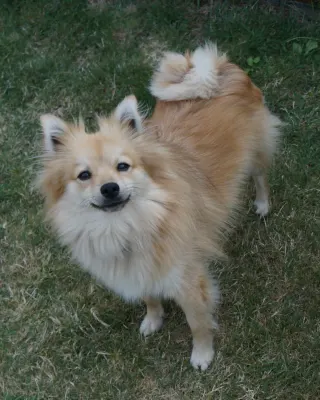
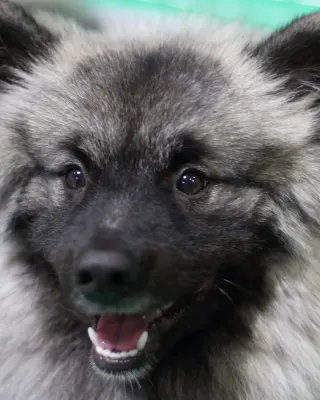
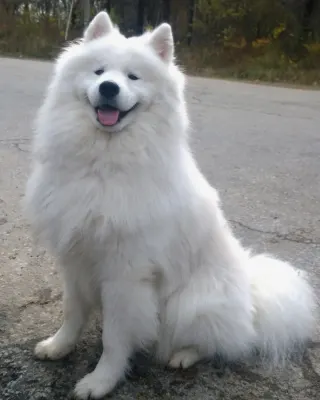
Plate 060 · Continental Europe
Pomeranian
博美犬
“Bred down from bigger spitz dogs into a toy with a mane-like ruff.”
- Origin
- Germany · Poland
- Pomerania region (southern Baltic coast)
- Historical region — not an exact birthplace
- Named after the historical region of Pomerania, today split between Germany and Poland. The miniaturised companion form was largely developed in Britain.
- The point is a reference position for a historical region; it is not an exact birthplace.
- Era
- 18th–19th century (from older Central European spitz types)
- Today
- Companion · Toy breed · Show dog
Under editorial review — sources listed below.
Historical context · Today
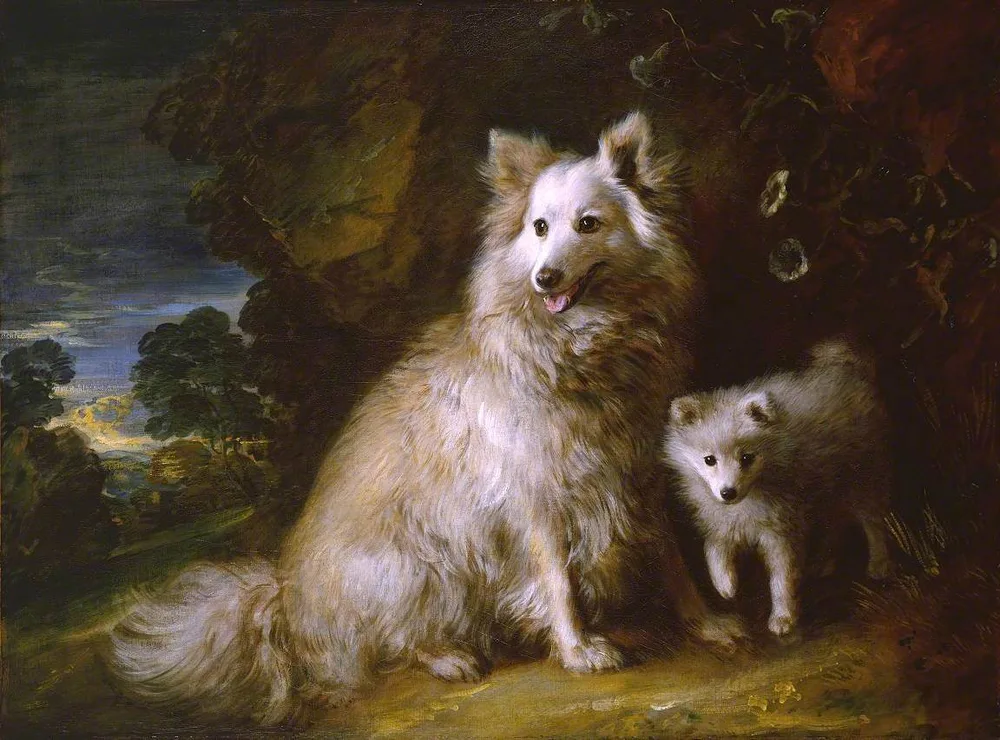 Context · c. 1777
Gainsborough's 'Pomeranian Bitch and Puppy' (c. 1777). Dogs then called Pomeranians were large white spitz dogs; today's toy Pomeranian was bred down in size during the 19th century.
This image depicts a related historical dog type, not necessarily the modern breed.
Thomas Gainsborough · Public domain · Wikimedia Commons
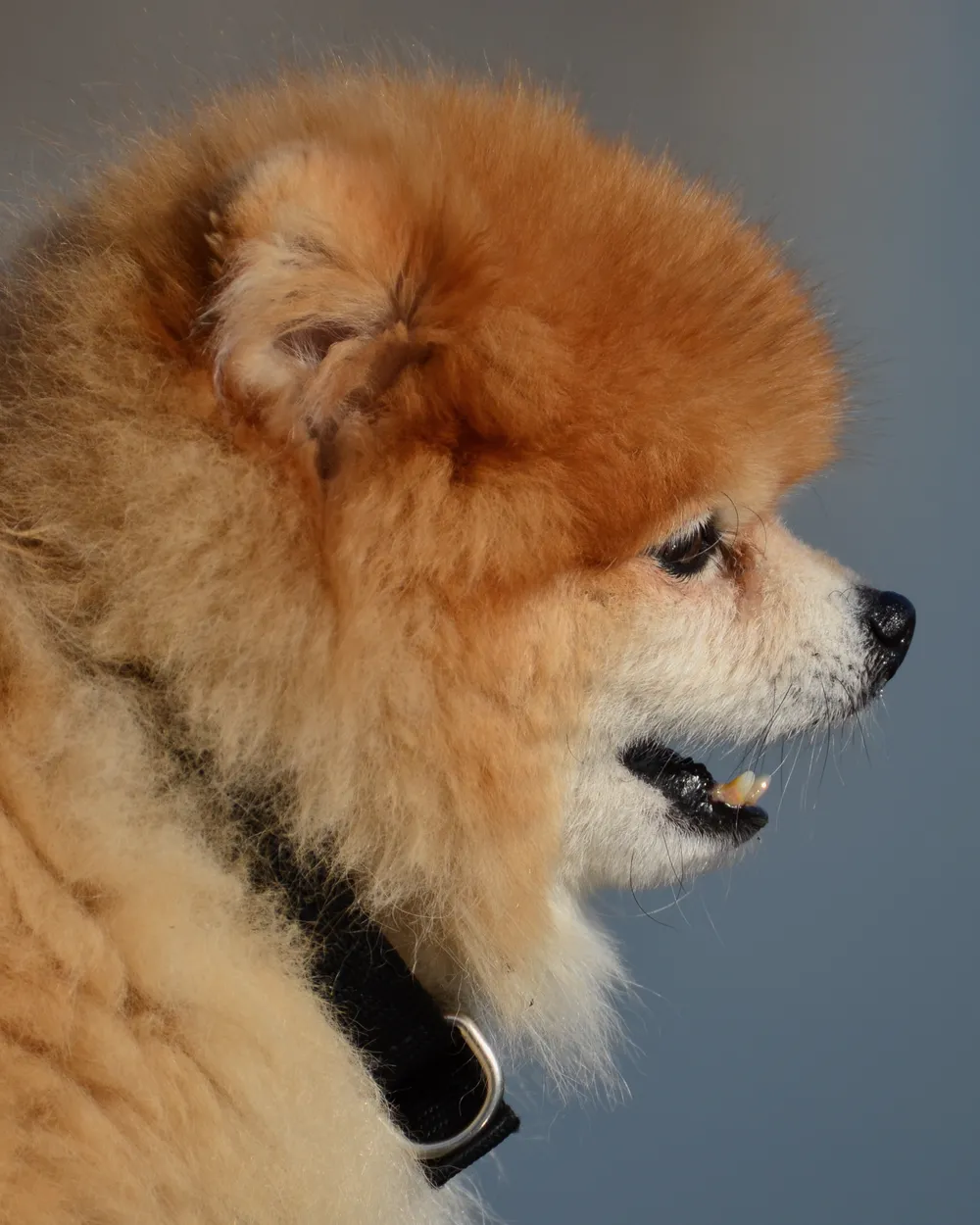 Now
NowГорбунова М.С. · CC BY-SA · Wikimedia Commons
History
01 · Origin
Pomerania region (southern Baltic coast)
Descends from the larger spitz-type dogs of Central Europe, associated with the Pomerania region on the Baltic coast.
02 · Historical role
What it was bred for
Descends from the larger German Spitz, which the FCI standard describes as a watchdog for home and farm.
03 · Breed development
How it changed
British breeders, encouraged by Queen Victoria's enthusiasm for small spitz dogs in the late 19th century, selected steadily for smaller size, producing the compact companion known today.
04 · Today
Companion · Toy breed · Show dog
A toy companion breed that suits city and apartment life.
Personality
- Alert
- Curious
- Social
- Confident
- Vocal tendency
General breed tendencies, not guarantees — individual dogs vary with genetics, training and environment. Ratings: this atlas’s editorial summary on a 1–5 scale, for rough comparison between breeds here — not a measurement or a standardised assessment.
- Size
- Toy
- Lifespan
- 12–16 years
- Coat
- Double coat: dense undercoat with a long, stand-off outer coat
Field note
Queen Victoria's interest in small Pomeranians in the late 1800s is widely credited with accelerating the breed's dramatic size reduction.
Recognition & today
- AKC
- Toy Group
- Also recognized by
- FCI (as Pomeranian within the German Spitz standard), The Kennel Club (UK)
- Popular in
- United States
One of the world's most popular toy breeds. AKC registrations: ranked 19 among breeds in 2025.
Sources3 references
- Pomeranian — breed information — American Kennel Club
https://www.akc.org/dog-breeds/pomeranian/
Registry · accessed 2026-10-06 · Used for registry status, AKC group and breed standard reference only.
- German Spitz breed standard (incl. Pomeranian) — Fédération Cynologique Internationale
https://www.fci.be/en/nomenclature/GERMAN-SPITZ-97.html
Kennel club · accessed 2026-10-06 · FCI standard no. 97 covers the German Spitz varieties, including the Pomeranian.
- Pomeranian dog (encyclopedia overview) — Wikipedia
https://en.wikipedia.org/wiki/Pomeranian_dog
Encyclopedia · accessed 2026-10-06 · Secondary overview; cross-check claims against primary breed-club sources.
Image credits
Thomas Gainsborough · Public domain · Wikimedia Commons
Горбунова М.С. · CC BY-SA · Wikimedia Commons
Text is written by World Breeds from the references above; it does not reproduce registry descriptions. Location note: Named after the historical region of Pomerania, today split between Germany and Poland. The miniaturised companion form was largely developed in Britain.