Plate 185 · Continental Europe
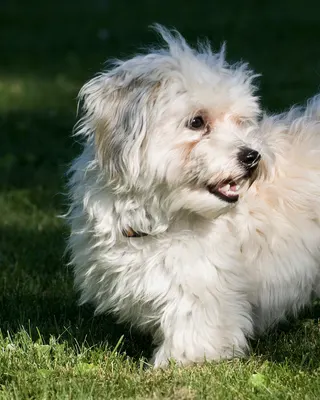
Russian Tsvetnaya Bolonka
俄罗斯彩色宝隆卡犬
“A Soviet-era lapdog made from whatever was at hand.”
- Origin
- Russia
- Leningrad (Saint Petersburg) and Moscow
- Town or city of origin
- Developed by dog lovers in Leningrad and Moscow; the marker is the city of Saint Petersburg (Leningrad), where the AKC places its beginnings.
- The point marks the town the breed is linked to.
- Era
- From 1951
- Today
- Companion
Under editorial review — sources listed below.
History
01 · Origin
Leningrad (Saint Petersburg) and Moscow
A small, wavy-coated Russian bichon-type lapdog in many colours.
02 · Historical role
What it was bred for
A companion.
03 · Breed development
How it changed
Under Soviet rule few toy dogs could be imported, so Leningrad and Moscow breeders worked with what they had; in 1951 a black puppy, Tin-Tin, was born to two coffee-and-white dogs and began the coloured line. The name has been used since 1966. Its ancestors are said to include the Bichon Frise, Toy Poodle, Shih Tzu and Pekingese.
04 · Today
Companion
A companion.
Personality
- Playful
- Charming
- Inquisitive
- Gentle
General breed tendencies, not guarantees — individual dogs vary with genetics, training and environment. Ratings: the AKC’s trait scores as its breed page gives them (the AKC’s 1–5 guidance for owners, not a measurement). Other profiles here use editorial ratings, a different source, so compare across them with care.
- Exercise
- Walks and play; does not need much exercise.
- Grooming
- Comb several times a week; wash the face and beard often.
- Training
- Very trainable but more independent than most toys; socialize early.
Living with one
- Size
- Toy
- Lifespan
- 14–20 years
- Coat
- Wavy or curly coat in any solid colour except white
Field note
Its coat is said to have been bred partly because grooming products were scarce in Russia.
Recognition & today
- AKC
- Toy Group
- Also recognized by
- Nordic Kennel Union
- Popular in
- No reliable data
AKC: Toy Group.
Fully recognised by the AKC in 2026; no reliable data on how common it is.
Sources2 references
- Russian Tsvetnaya Bolonka — breed information — American Kennel Club
https://www.akc.org/dog-breeds/russian-tsvetnaya-bolonka/
Registry · accessed 2026-10-14 · Registry status, group, size, life expectancy and registration rank; history as the AKC tells it. Ratings: the AKC's own 1–5 owner-guidance trait scores as the page gives them (energy level, trainability, barking level, openness to strangers, good with other dogs), not measurements.
- Bolonka — Wikipedia
https://en.wikipedia.org/wiki/Bolonka
Encyclopedia · accessed 2026-10-14 · Development in Moscow and Leningrad, ancestry, the Zwetna in Germany and naming.
Text is written by World Breeds from the references above; it does not reproduce registry descriptions. Location note: Developed by dog lovers in Leningrad and Moscow; the marker is the city of Saint Petersburg (Leningrad), where the AKC places its beginnings.